
The Math Says Yes, But the Draw Matters
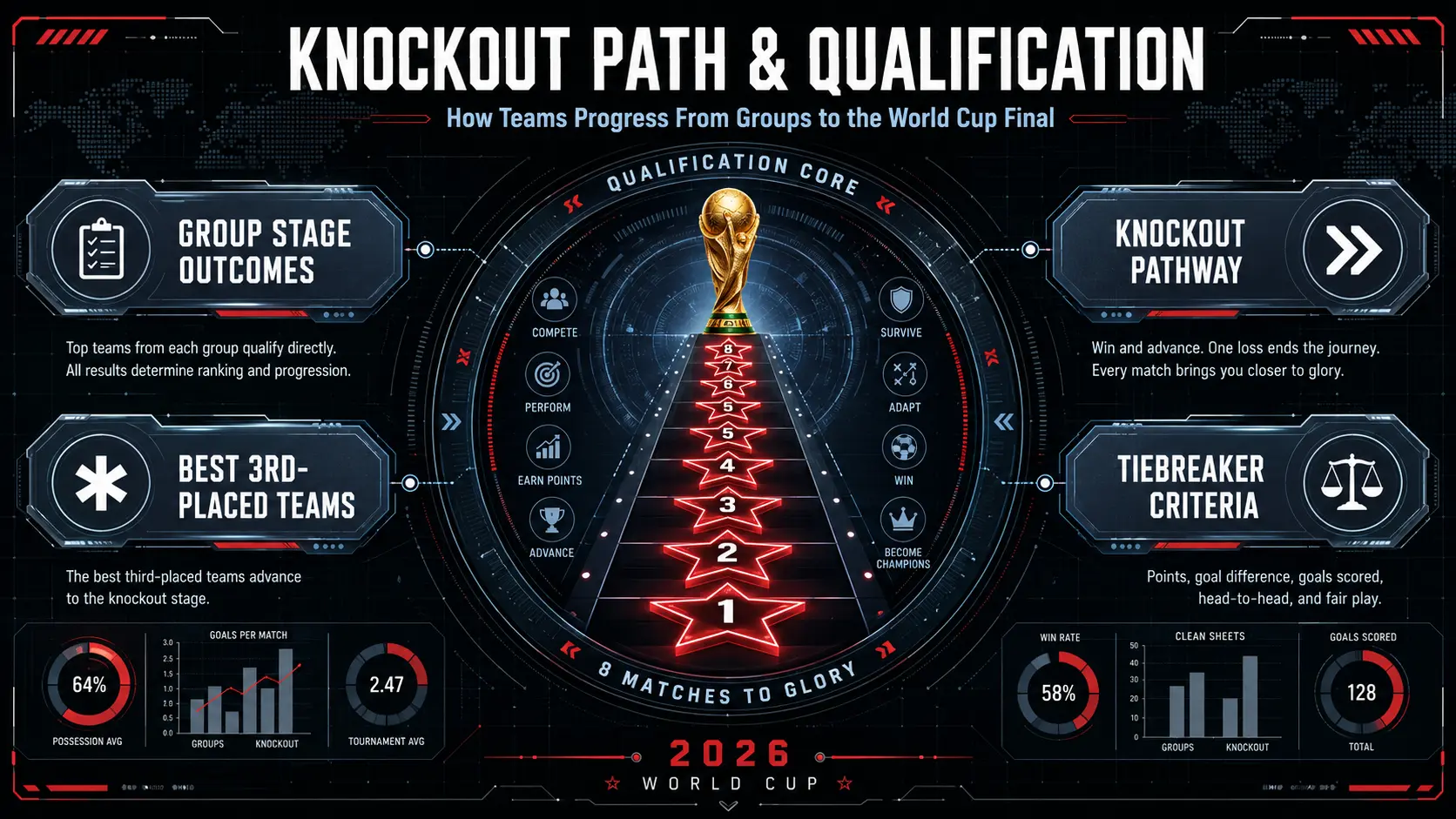
African teams possess multiple pathways to the knockout stage under the expanded 48-team format, yet the specific composition of their groups will ultimately determine which sides advance. The 2026 tournament structure offers 24 automatic qualification spots for group winners and runners-up across twelve groups of four teams. African representatives can secure advancement through these traditional positions or by ranking among the eight best third-placed teams, creating a mathematical possibility for progression even without a top-two finish. Twelve groups of four teams generate 48 total matches in the first round, with the third-place safety net meaning that only four third-placed teams face elimination.
Morocco and Senegal demonstrate that African sides can compete with elite UEFA and CONMEBOL opposition when grouped favorably. Morocco’s 2022 semifinal run and Senegal’s consistent knockout appearances prove the continent’s capability, though the expanded format introduces new variables regarding group strength and third-place calculus. Past World Cups featured only eight groups, but the 2026 expansion spreads talent across more sections, potentially creating groups where African teams face two European or South American sides rather than one.
The final draw determines the specific opposition for African teams once FIFA assigns the nine or more confirmed African qualifiers to their groups. Pot placement will determine whether African teams face manageable opposition from AFC or CONCACAF confederations or encounter tournament favorites that complicate paths to automatic qualification. The draw mechanics place African qualifiers into different pots based on FIFA rankings, meaning some nations enter as Pot 3 teams while others drop to Pot 4, significantly altering the difficulty of potential group opponents.
How Third-Place Qualification Creates a Safety Net
Third-place qualification provides African teams with a viable fallback option that requires fewer points than traditional advancement, though this path demands careful management of goal difference throughout the group stage. Four points from one win, one draw, and one defeat historically secure advancement as a best third-placed team in expanded tournaments. Three points may suffice depending on results across other groups and tiebreakers, meaning African sides can target specific results rather than requiring maximum points against superior opponents. The 2026 format selects eight third-placed teams from twelve groups, offering favorable odds compared to previous European Championships that took only four from six groups.
Goal difference serves as the critical tiebreaker after points, making margin of defeat equally important as victories. African teams must avoid heavy losses even in matches against favorites, as a single blowout could eliminate a side despite earning four points elsewhere in the group. Defensive organization in the opening match becomes crucial, since a narrow defeat to a seeded opponent preserves qualification hopes better than a high-scoring loss that damages the goal difference column.
Bracket positioning presents a strategic consideration for teams advancing via third place. Sides qualifying through the third-place route typically face group winners in the Round of 32 rather than runners-up, creating a more difficult immediate knockout assignment than teams finishing in the automatic slots. The knockout bracket pairs third-placed teams against specific group winners based on which groups produce the advancing thirds, meaning some African sides could avoid the tournament favorites while others draw top-ranked opposition immediately.
Follow African Progress in East Africa Time
Pulser delivers all World Cup 2026 match schedules and standings converted to East Africa Time, ensuring Kenyan fans track African qualification scenarios without timezone confusion during the North American tournament. East Africa Time operates at UTC+3 without daylight saving adjustments, providing consistent kickoff times throughout the tournament. Pulser’s schedule pages display all fixtures in EAT, eliminating the calculation errors that occur when converting from Eastern Time or Pacific Time zones used in host nations. Kenyan viewers avoid the confusion of North American daylight saving transitions that shift kickoffs by one hour during the competition, ensuring alarm settings remain constant for the entire group stage.
The FIFA hub and group and teams schedule page will update live standings and calculate third-place qualification math as matchdays conclude. These resources track which African teams occupy the eight available third-place slots and project final group positions based on remaining fixtures. The qualification calculator updates automatically when matches end, showing Kenyan fans exactly which African nations progress to the Round of 32 without manual comparison of tables across twelve different groups.
Individual match pages for every African team fixture will display real-time updates in Kenya time, allowing supporters to monitor qualification status during simultaneous kickoffs. Fans can consult the full World Cup 2026 schedule in Kenya Time to plan viewing around confirmed kickoffs without worrying about daylight saving transitions in host cities. Final group stage matches kick off simultaneously to prevent manipulation, making accurate Kenya-time listings essential for fans tracking multiple African teams’ qualification scenarios at once.
FAQ
How many points does a team need to qualify as one of the best third-placed teams?
Historically in expanded tournaments, four points usually secures advancement as a third-placed team, while three points may suffice depending on goal difference and the specific results of other groups, though no threshold is guaranteed.
Will Kenya’s Harambee Stars be playing at the World Cup 2026?
Kenya’s qualification status depends on the ongoing CAF qualification campaign results. Check the Pulser FIFA hub for the final list of confirmed African qualifiers once the qualification window closes.
What time will knockout matches start for viewers in Kenya?
All match times, including the Round of 32, will be published in East Africa Time (EAT, UTC+3) on Pulser’s schedule page as FIFA confirms fixtures, with no daylight saving time adjustments needed for Kenyan viewers.
Reference
Qualified teams for the FIFA World Cup 2026
Standings | FIFA World Cup 2026™
All the World Cup 2026 squad announcements
The squads in stats | FIFA World Cup 2026