
More Matches, More African Teams, and Complex Time Zones
The tournament expansion adds 40 extra fixtures to bring the total to 104 matches across the group stage and new knockout rounds. Kenya fans will follow 72 group games plus a fresh Round of 32 featuring 16 elimination matches before the traditional Round of 16 begins. This volume creates a packed viewing calendar that runs longer than previous tournaments, requiring fans to plan their schedules across the extended competition period.
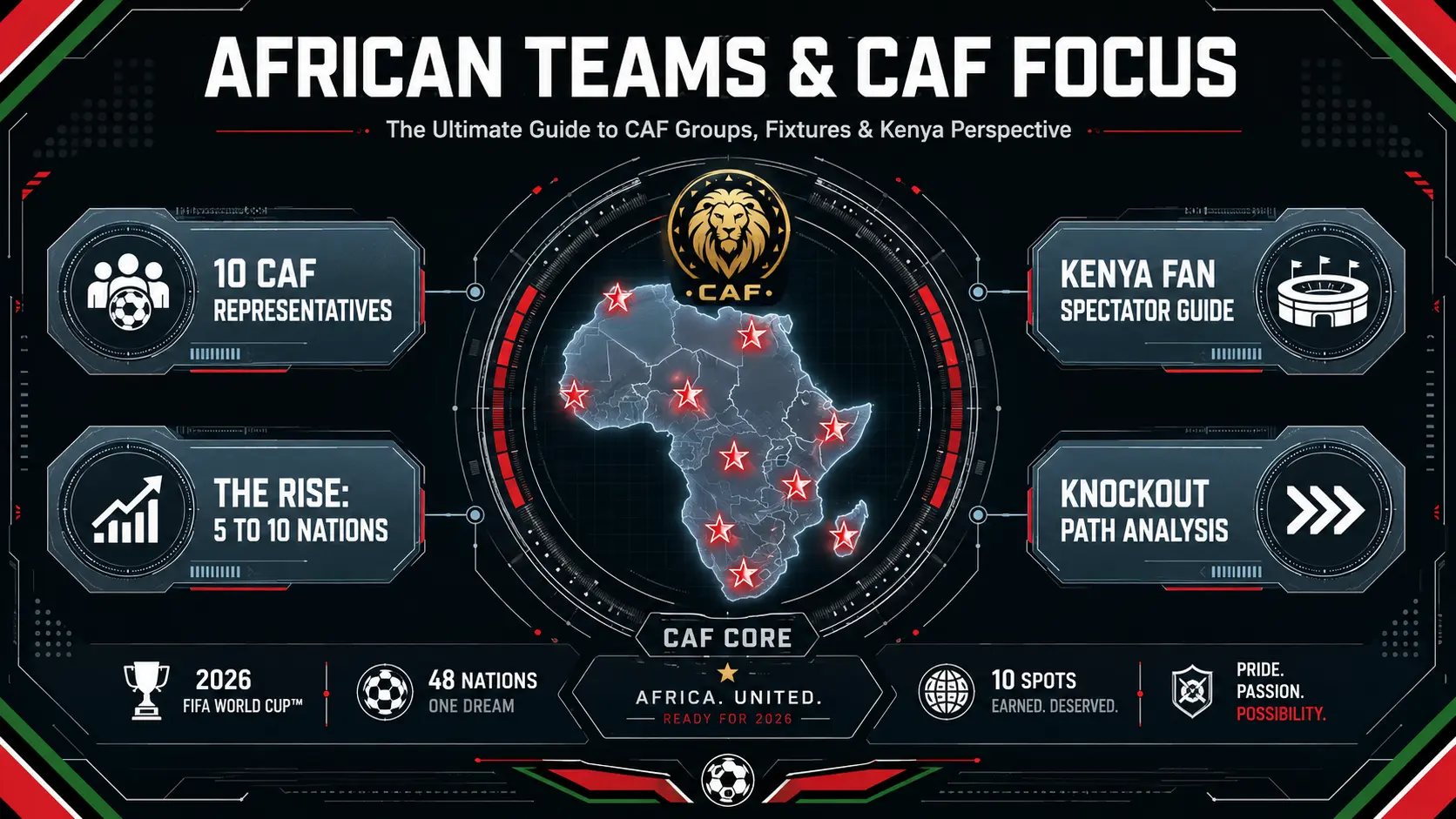
African football receives significant representation growth through nine guaranteed qualification slots instead of the previous five. East African neighbors and continental rivals stand higher chances of appearing on screen, building stronger local viewing communities and pub culture around shared regional support in Nairobi, Mombasa, and other Kenyan cities. The increased African presence means Kenya-based supporters can rally behind multiple teams throughout the group stage rather than watching isolated matches, creating more opportunities for local fan gatherings and sports-bar events.
North American hosting across Canada, Mexico, and the United States creates complex scheduling challenges for Kenya-based viewers. Matches will air across multiple time zones ranging from Eastern to Pacific, producing kick-off times in East Africa Time that vary significantly throughout the tournament. Kenya does not observe daylight saving time while North America does, creating additional complexity during the tournament weeks that makes the Full World Cup 2026 schedule in Kenya Time essential for accurate planning without manual conversion errors.
How the New Format Changes Your Viewing Habits
The revised format introduces 12 groups of four teams rather than the traditional eight groups, extending the group stage calendar significantly. Simultaneous kick-offs become more frequent during the final matchdays, demanding better schedule management for fans attempting to follow multiple African teams or tournament favorites. Viewers must now track 12 different group tables instead of eight, increasing the complexity of monitoring qualification scenarios and third-place advancement calculations.
Tournament structure changes include the addition of a Round of 32 knockout phase that alters the traditional rhythm viewers expect. Sixteen elimination matches now precede the Round of 16, creating an earlier start to the do-or-die phase and extending the knockout calendar by several days. This shift means Kenya fans experience high-stakes football earlier in the tournament schedule than in previous World Cups.
Host city locations span four time zones across the continent, generating highly variable broadcast schedules for Kenyan audiences. Evening matches in Los Angeles will air in the early morning hours in Nairobi, while East Coast fixtures may align better with evening viewing times in East Africa Time. Checking the teams and groups page helps fans identify which cities host their preferred African teams, allowing rough time estimates before consulting the exact Kenya-Time listings for specific fixtures.
Where to Find Kenya-Time Schedules and Match Details
Pulser’s dedicated World Cup 2026 schedule page converts all 104 match kick-offs to East Africa Time automatically. Fans avoid manual calculations and daylight saving confusion by accessing the Full World Cup 2026 schedule in Kenya Time directly. The resource updates automatically if FIFA adjusts fixture timings, ensuring Nairobi viewers always see accurate local start times without calculating time differences between Nairobi and cities like Toronto, Los Angeles, or Mexico City.
Individual match pages provide specific Kenya-time kick-offs and team details for each fixture. Readers can navigate through the teams and groups page to track which African nations qualified and explore the 12-group format structure before clicking into specific fixtures. Each match page displays the exact East Africa Time kick-off alongside stadium and group information.
The central FIFA hub aggregates all tournament resources including live standings, team profiles, and qualification updates. Kenya fans receive a single reference point for tracking the expanded tournament field without searching multiple sources for accurate East Africa Time conversions. The hub connects to group-specific pages and match details, creating a complete navigation system for the 48-team competition.
FAQ
What time will matches start in Kenya during the 2026 World Cup?
Exact kick-off times depend on the specific host city and stadium scheduling across Canada, Mexico, and the United States. Pulser’s full schedule page converts all 104 matches to East Africa Time (EAT, UTC+3) so you can see accurate local times without calculating time differences.
How many African teams will qualify for the 2026 World Cup?
The expanded 48-team format guarantees nine qualification slots for African teams, an increase from the previous five spots. This gives Kenya fans more continental representation to support and increases the chances of East African nations appearing in the tournament.
Will the 2026 World Cup have more matches than previous tournaments?
Yes, the tournament features 104 matches compared to 64 in previous 32-team editions. This includes 72 group stage matches and a new Round of 32 knockout stage featuring 16 games before the traditional Round of 16 begins.
Reference
FIFA World Cup 2026 Qualifiers: Egypt cruise, Madagascar shine, Burkina Faso stay in the hunt
Africa’s World Cup hopefuls await 2026 draw as historic 48-team tournament takes shape
FIFA World Cup 2026™ | Fixtures, groups, teams & more